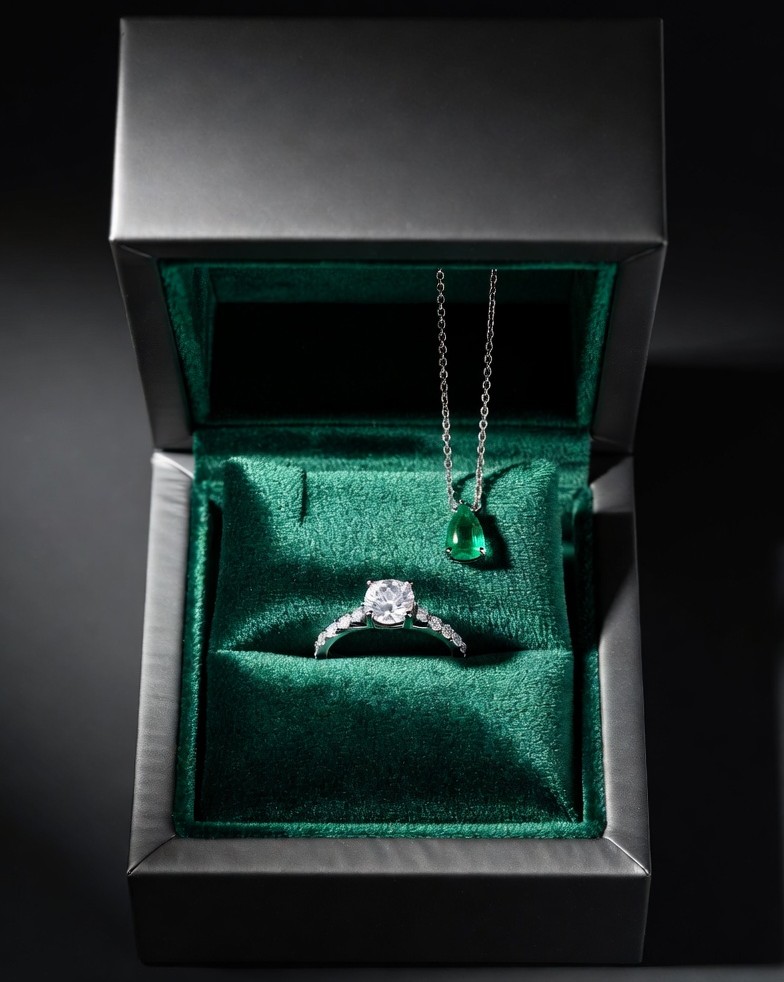
In luxury retail, packaging isn’t just a container—it reinforces the value shoppers are paying for. When someone buys a finely crafted watch or a diamond necklace, the unboxing becomes the emotional highlight of the experience. Generic folders or flimsy boxes don’t reflect the product’s worth. That’s why top brands partner with a luxury jewelry box packaging manufacturer who can translate structural safety into an engaging, memorable unboxing.
Creating this level of perfection starts with a solid understanding of materials and engineering. Whether you’re launching a new direct-to-consumer line or refreshing an existing collection, your packaging partner shapes how durable your brand feels and how much authority it commands in the market.
Defining core structural integrity
Premium jewelry packaging needs to shield pieces from the bumps and bruises of global shipping. Fine jewelry and delicate watches can’t tolerate rough handling, so the protection begins with a strong underlying frame.
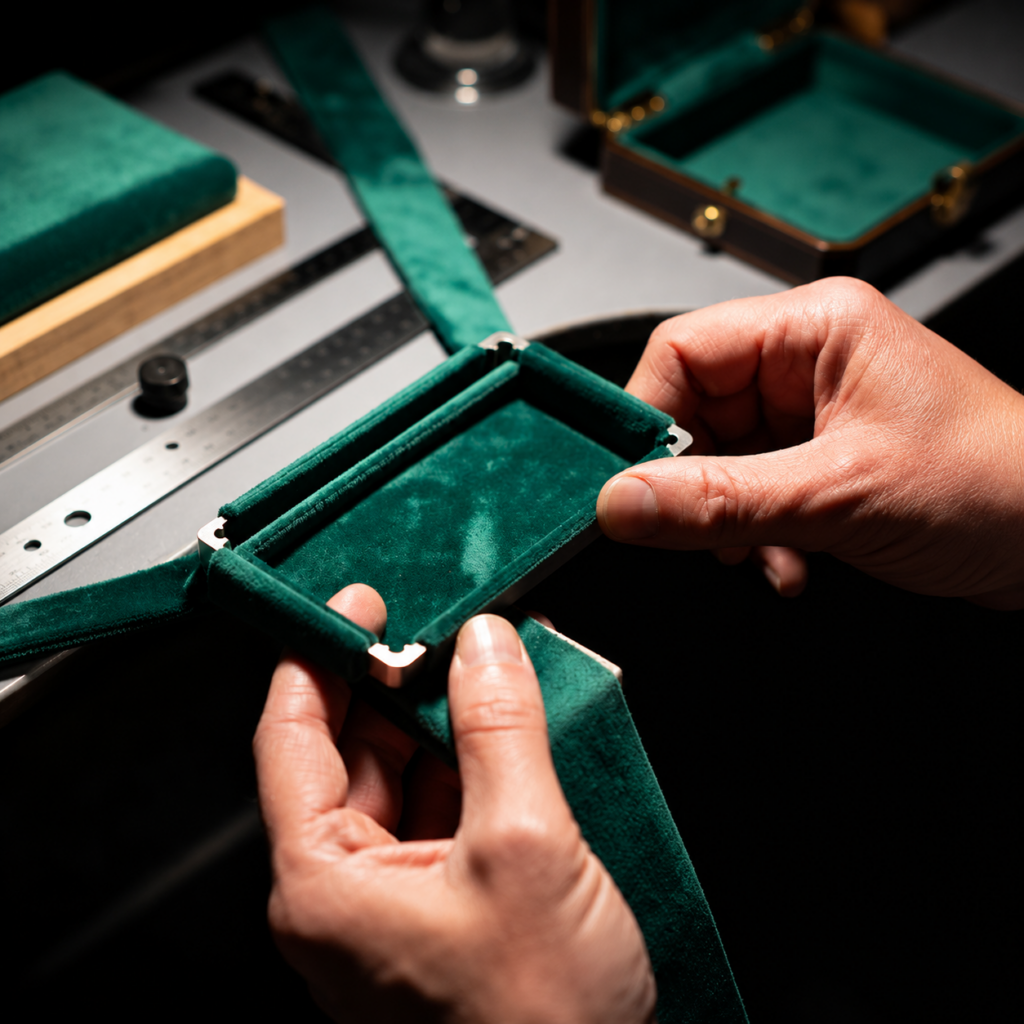
Rather than thin paperboard, expert luxury packaging uses heavy-gauge recycled greyboard (about 100–120 pt) shaped with automated V-groove scoring. This creates precise 90-degree folds that form a rigid, sharp-edged box. The result is a frame that resists side impacts in transit, helping ensure products arrive in pristine condition.
Material chemistry and anti-tarnish design
While structural foam and soft velvet protect fine jewelry pieces from physical scratches, invisible atmospheric threats can still ruin a luxury unboxing experience. Precious metals—specifically sterling silver and high-karat gold alloys—are highly vulnerable to environmental oxidation and tarnishing. When exposed to ambient moisture or airborne sulfur gases inside a sealed box, metal finishes can develop a dull, dark patina over time.
To defeat this chemical vulnerability, top-tier packaging producers incorporate advanced anti-tarnish microfibers directly into the interior liners. These specialized textiles actively trap and neutralize corrosive gases before they ever reach the product surface. Furthermore, our assembly teams utilize water-based, neutral-pH adhesives. This precision setup prevents chemical outgassing, ensuring your precious metals maintain their bright showroom sparkle for years.
Seamless Turned-Edge Execution
The method used to secure the exterior paper or fabric wrap to the chipboard determines whether a box looks like an industrial commodity or a flawless piece of art. High-end brands achieve their premium look through a process known as turned-edge execution.
During this automated assembly loop, specialized rollers apply a thin, uniform layer of high-tack adhesive across an oversized exterior liner. Precision machinery then presses the wrapped assembly firmly over the pre-scored greyboard edges, folding the excess material cleanly over the lips to the interior side. This technique encapsulates the raw edges of the chipboard completely. Consequently, the consumer never encounters exposed paper seams or rough structural joints during their physical interaction with your product.