

In the high-stakes world of industrial logistics, “Total Cost of Ownership” is dictated by a single metric: the damage rate. Providing packaging solutions that prevent product damage is essential in 2026, where consumer expectations for “mint condition” delivery are at an all-time high. Preventing loss requires a sophisticated blend of structural engineering, material science, and custom fitment.
At Petra and Holum, we believe that the most sustainable package is the one that succeeds on its first trip. A damaged product doesn’t just represent a lost sale; it represents a doubled carbon footprint. This guide explores the technical strategies used to engineer packaging solutions.
Structural Integrity: The Foundation of Protection
The primary defense against the rigors of the global supply chain is the structural core of the package. We utilize turned-edge construction and high-density recycled greyboard to create a rigid exoskeleton for your products.
Unlike standard corrugated boxes that can collapse under pallet stacking, a custom-engineered rigid box maintains its geometric integrity. This is a critical component of packaging solutions, specifically “crush deformation,” where cargo weight transfers to the item inside.
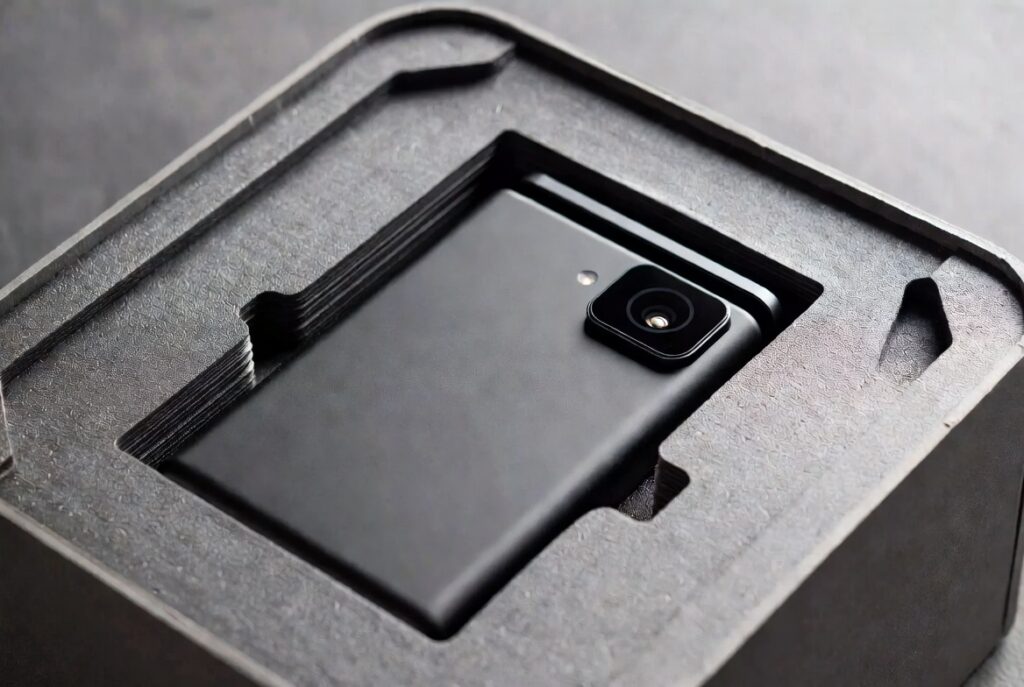
Custom Internal Fitments: The Science of Deceleration
Product damage usually occurs during “Shock Events”—drops or sudden stops. To manage this energy, the interior must slow down the product’s movement through Cushioning Engineering.
Precision Die-Cut Foam
We utilize high-density EVA and Polyurethane foams CNC-routed to the exact silhouette of your product. By calculating the “G-Factor”—the amount of force a product can withstand—we ensure the force transferred during a drop remains well below its fragility limit.
Sustainable Packaging Solutions That Prevent Product Damage
For brands prioritizing eco-friendly materials, we engineer complex paper-based “nests”. These inserts use geometry—folds and air-gaps—to act as mechanical springs, absorbing impact energy without plastic foams.
Surface Protection and Barrier Engineering
Damage isn’t always structural; for luxury fashion and electronics, a scuff is a failure.
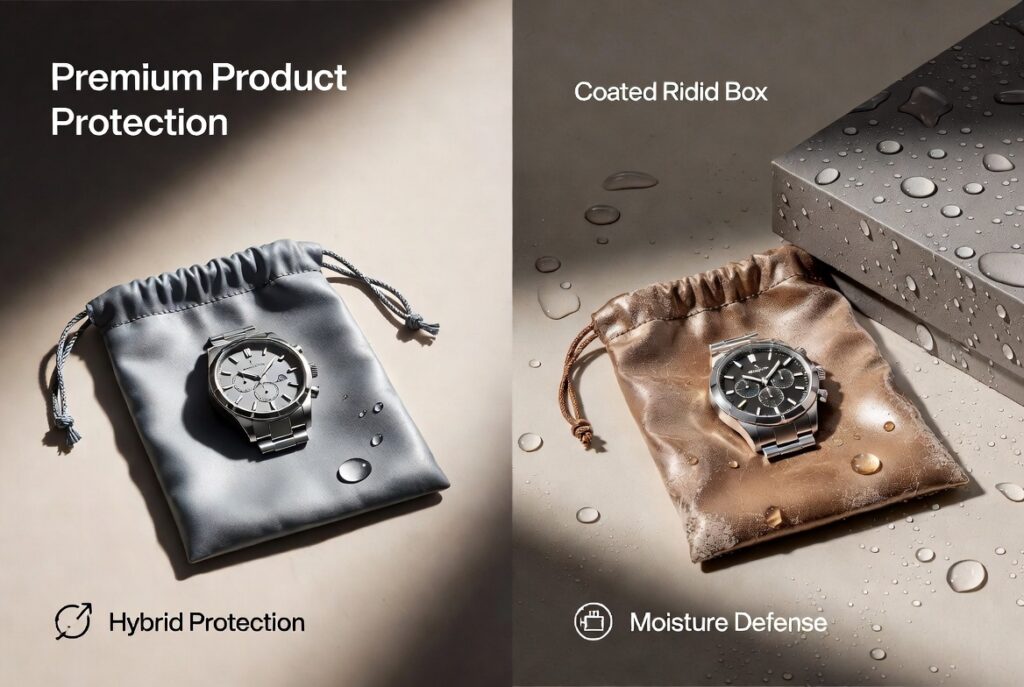
- Hybrid Protection: We design custom-sewn pouches made from non-abrasive textiles like micro-satin to prevent "Cosmetic Wear" during transit.
- Moisture Defense: We apply aqueous and UV coatings to prevent "Softening." When standard boxes get damp, they lose 50% of their strength; our packaging solutions maintain crush resistance in high-humidity climates.
Custom Internal Fitments: The Science of Deceleration
Product damage usually occurs during “Shock Events”—drops or sudden stops. To manage this energy, the interior must slow down the product’s movement through Cushioning Engineering.
Precision Die-Cut Foam
We utilize high-density EVA and Polyurethane foams CNC-routed to the exact silhouette of your product. By calculating the “G-Factor”—the amount of force a product can withstand—we ensure the force transferred during a drop remains well below its fragility limit.
Sustainable Packaging Solutions That Prevent Product Damage
For brands prioritizing eco-friendly materials, we engineer complex paper-based “nests”. These inserts use geometry—folds and air-gaps—to act as mechanical springs, absorbing impact energy without plastic foams.
Right-Sizing: Eliminating Internal Movement
The leading cause of transit damage is movement. If a product has room to shift, it gains momentum during a shock event. “Right-Sizing” ensures a vacuum-fit between the product and the outer rigid shell, removing the kinetic energy that leads to internal breakage.
The Zero Products Damage Checklist
To ensure your brand utilizes the best packaging solutions, your process should include:
Fragility Assessment: Determine the G-factor before designing the interior.
Vibration Testing: Audit how the product reacts to long-term “road hum.”
Drop-Test Prototyping: At Petra and Holum, we provide white-sample prototypes for real-world stress tests at our Chicago facility.
Ready to engineer a zero-failure delivery experience?