

In 2026, choosing eco friendly packaging isn’t optional anymore — it’s what customers expect right from the start. For small and mid-sized brands, the real challenge is finding solutions that actually protect products, look premium, and don’t break the bank like big corporations can afford.
At Petra and Holum, we’ve been making custom packaging right here in Chicago since 1933. Over nine decades, we’ve learned how to help smaller brands build eco friendly packaging that’s durable, recyclable, and made locally. Here’s what true sustainability looks like for businesses like yours today.
What “True” Sustainability Means for Eco Friendly Packaging
Sustainability isn’t just about using green materials. It’s about looking at the whole life of the package—from where it comes from, to how it’s made, to what happens when your customer is done with it.
Think of it in three simple parts:
- Sourcing: Using materials with high recycled content, like post-consumer waste (PCW), and FSC-certified papers from responsibly managed forests.
- Manufacturing: Keeping production close to home in the USA so you cut down on long-distance shipping emissions.
- End-of-Life: Making sure the package is easy to recycle or useful enough that customers keep and reuse it for years.
This approach helps your brand stand out in searches and builds real trust with customers who care about the planet.
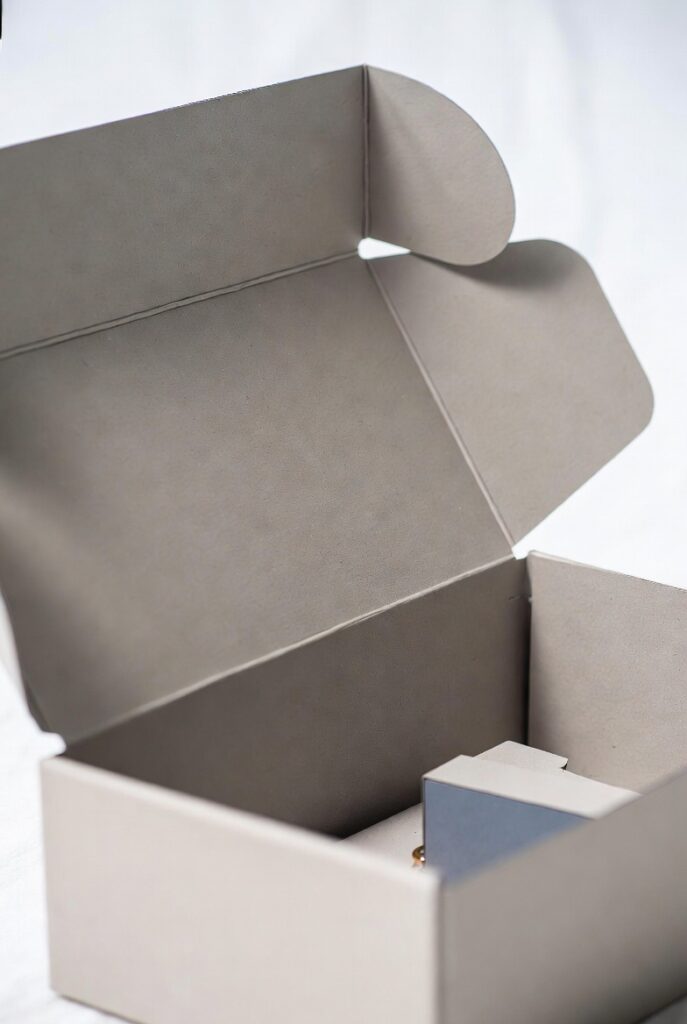
Why Recycled Rigid Boxes Are Great for Eco Friendly Packaging
Many small businesses think folding cartons are the only “green” option. But a well-made rigid box often does better because its strong structure means it lasts longer and protects better—so you use less packaging overall.
We start every rigid box with a core of 100% recycled greyboard (also called chipboard). This material comes from reclaimed industrial and consumer waste, keeping tons of stuff out of landfills.
To keep that premium look without hurting the environment, we add the following:
- Soy-based inks that are low in harmful chemicals and easier to remove during recycling
- FSC-certified paper wraps from well-managed forests
- Water-based adhesives that don’t contaminate recycling streams
The result? The result is a sturdy, beautiful box that feels luxurious and meets all sustainability requirements.
Sewn Pouches That Get a Real Second Life
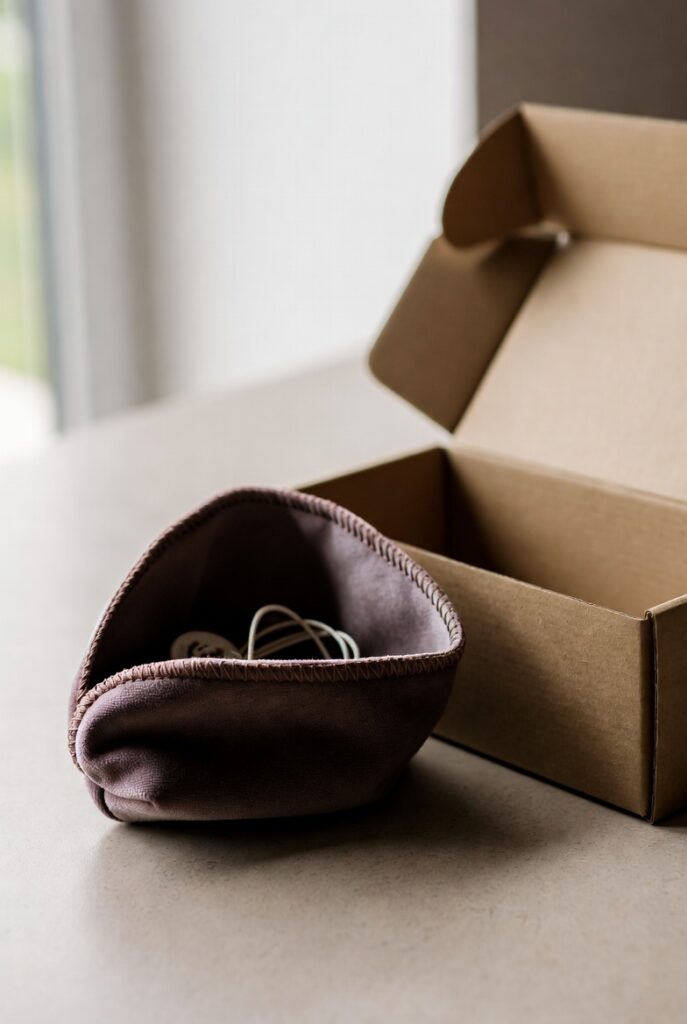
Here’s where things get smart for small brands. Instead of cheap single-use plastic inserts, we can create high-quality sewn pouches from materials like organic cotton, velvet, or recycled PET fabric.
Your customer doesn’t just throw it away after opening the box—they keep the pouch for storing jewelry, tech accessories, makeup, or anything else. That means:
- Your packaging works as ongoing marketing (your brand stays in their drawer or bag)
- You cut down on future plastic waste for your customers
- You reduce your overall environmental impact
It’s one of the easiest ways to turn packaging into something useful instead of trash.
The Hidden Carbon Win: Making It Here in Chicago
The biggest hidden cost in packaging often isn’t the box itself—it’s how far it travels to reach you.
When you order from overseas, those containers cross oceans and then get trucked across the country. That adds a lot of carbon. By working with our state-of-the-art facility at 6600 West Armitage Avenue in Chicago, you shrink that footprint dramatically.
Other advantages for small businesses:
- Lower minimum order quantities (so you don’t over-order and waste materials)
- Fast prototyping — get physical samples in days, not weeks
- Less scrap waste thanks to our 91 years of experience optimizing every cut and fold
Local production just makes sense in 2026.
How to Avoid the “Green Premium” Trap
Yes, some eco options cost more, but we’ve found practical ways to keep things affordable:
- Right-size the materials: Use just enough board and paper to protect your product (saves weight, shipping, and raw materials)
- Smart printing choices: Monochromatic or limited-color designs with soy inks run faster and cost less while staying easy to recycle
These small tweaks add up to real savings without sacrificing quality or looks.
Final Thoughts: Build a Brand That Lasts
For small businesses in 2026, sustainable eco friendly packaging isn’t about being perfect — it’s about making thoughtful choices that protect your products, delight your customers, and support a stronger planet. You don’t have to pick between luxury and ethics.
At Petra and Holum, we combine old-school craftsmanship with modern sustainable practices right here in Chicago. Whether you need custom rigid boxes, sewn products, or protective covers, we help you create packaging that tells your brand story and meets today’s expectations.
Ready to explore options that fit your budget and values?