

Plastic is everywhere, and the numbers are staggering. In the last decade alone, the world has been producing over 400 million tonnes of plastic every year. For brands in 2026, choosing packaging reduces plastic pollution by cutting waste at the source and using materials that actually break down safely.
At Petra and Holum, we’ve been creating custom packaging right here in Chicago since 1933. We help brands move away from the old “make it, use it, throw it away” model and toward packaging that returns to the earth as something useful instead of pollution.
Here’s how compostable packaging works in real life and why it makes sense for small and mid-sized businesses today.
Compostable vs Biodegradable: How Packaging Reduces Plastic Pollution
People often mix up these two words, but they’re not the same.
- Biodegradable is a loose term. Many so-called biodegradable plastics just break into tiny microplastics that stick around in oceans and soil for hundreds of years — and they can leave behind harmful chemicals.
- Compostable is much stricter. It meets standards like ASTM D6400 or EN 13432. These materials break down into CO2, water, and healthy biomass in 90–180 days in an industrial composting facility. Choosing this type of packaging reduces plastic pollution because it leaves nothing toxic behind.
That’s the kind of clear difference that matters when you want your packaging to actually help the planet.
Replacing Hidden Plastics in Luxury Packaging
A lot of “premium” packaging still hides plastic in places you don’t expect — like shiny films or foam inserts. At our Chicago facility, we focus on swapping those out with compostable options that still look and feel high-end.
Compostable Rigid Box Finishes: Traditional luxury boxes often use plastic lamination for that soft-touch or glossy finish. We use cellulose-based films instead. This specialized packaging reduces plastic pollution while maintaining an elegant, premium look and feel.
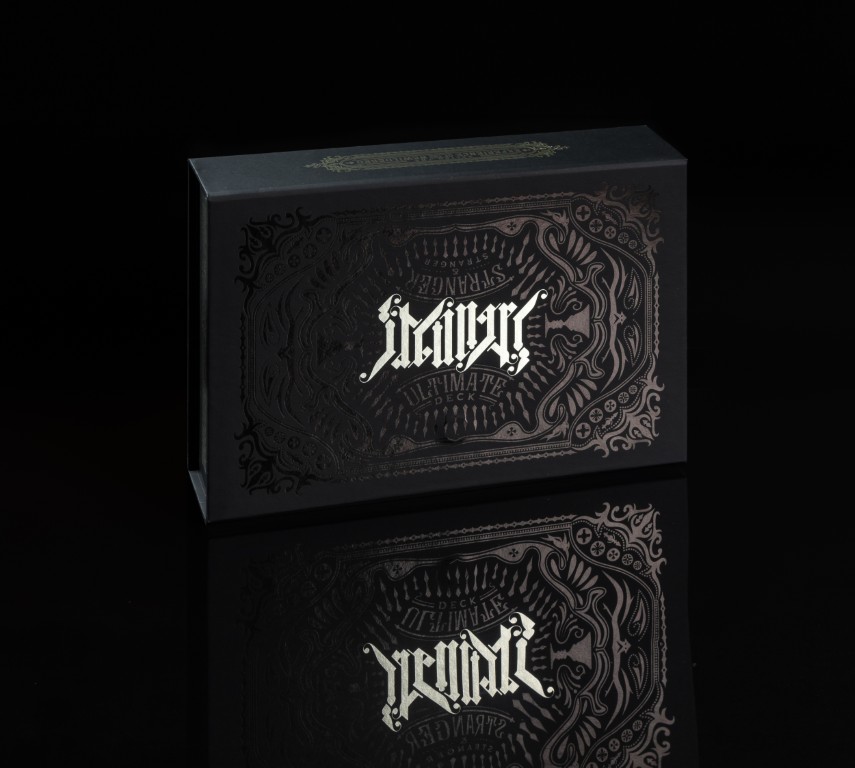
We use cellulose-based films or water-based (aqueous) coatings instead. You get the same elegant look and feel, but the entire box can go into municipal composting programs.
Better Alternatives to Styrofoam Inserts Foam or plastic inserts are common for protecting delicate products. We replace them with molded pulp or mycelium (mushroom-based) packaging. These are home-compostable — your customer can actually break them up and toss them in their garden.
The Business Side: Why Our Packaging Reduces Plastic Pollution
We don’t just make boxes—we also do contract sewing, and that lets us create truly eco-friendly hybrid packaging.
Instead of polyester threads and synthetic fabrics, we use:
- Organic cotton and hemp for strong, naturally compostable protective pouches
- PLA fabrics (made from plant starch like corn) that give you plastic-like water resistance but break down in compost
- Biodegradable embroidery thread so even your logo doesn’t leave microplastics behind
These sewn pouches often become “second-life” items that customers keep and reuse, which means even less waste over time.
Why This Matters for the Microplastic Problem
Microplastics are now found almost everywhere — from ocean water to human bodies. One hidden culprit is the adhesives and tapes used in packaging.
We switch to water-based adhesives and starch-based tapes in our turned-edge binders and sales kits. These don’t shed microplastics and don’t contaminate recycling or composting streams. It’s a small change that adds up to a big difference.
The Business Side: Why Our Packaging Reduces Plastic Pollution
Compostable packaging isn’t just good for the environment — it’s smart for your brand too. Customers notice and remember the “feel-good” unboxing experience.
Here’s a quick comparison:
|
Feature
|
Traditional Plastic Packaging
|
Compostable Packaging
|
|---|---|---|
|
End-of-Life
|
Landfill or ocean (1000+ years)
|
Soil nutrient (90-180 days)
|
|
Brand Perception
|
Standard or cheap
|
Premium and ethical
|
|
Regulatory Risk
|
Higher (plastic taxes and bans)
|
Lower (ready for 2026 rules)
|
|
Customer Engagement
|
Basic
|
High—people love sharing it
|
Staying Ahead of 2026 Standards
At our shop on 6600 West Armitage Avenue in Chicago, we keep up with the latest rules around industrial composting, home composting, and even ocean-safe materials. We help you choose the right option so your packaging stays compliant and future-proof.
Simple Steps to Get Started
Reducing plastic pollution happens one smart decision at a time. Here’s where to begin:
- Check your current packaging for hidden plastics (films, glues, threads).
- Switch to cellulose-based wraps for your rigid boxes.
- Try organic textiles for reusable sewn pouches.
- Work with a local USA manufacturer to cut down on shipping emissions too.
At Petra and Holum, we’ve spent over 90 years perfecting these details so you don’t have to figure it all out alone.
If you’re ready to create packaging that looks beautiful, protects your products, and actually helps the planet, we’d love to help.
Request a quote today for compostable rigid boxes, sewn products, or hybrid packaging solutions. Let’s build something better together.