

Flexible packaging is growing fast because it uses far less material and energy than rigid boxes, bottles, or glass. In 2026, the focus has moved beyond just using less plastic — it’s about creating high-performance sustainable pouches that are truly recyclable or compostable while still looking and feeling luxurious.
At Petra and Holum, we’ve been making custom packaging in Chicago for 91 years. We help brands build sustainable pouches and flexible solutions that meet today’s tough regulations and customer expectations. Here’s what smart brands are doing right now.
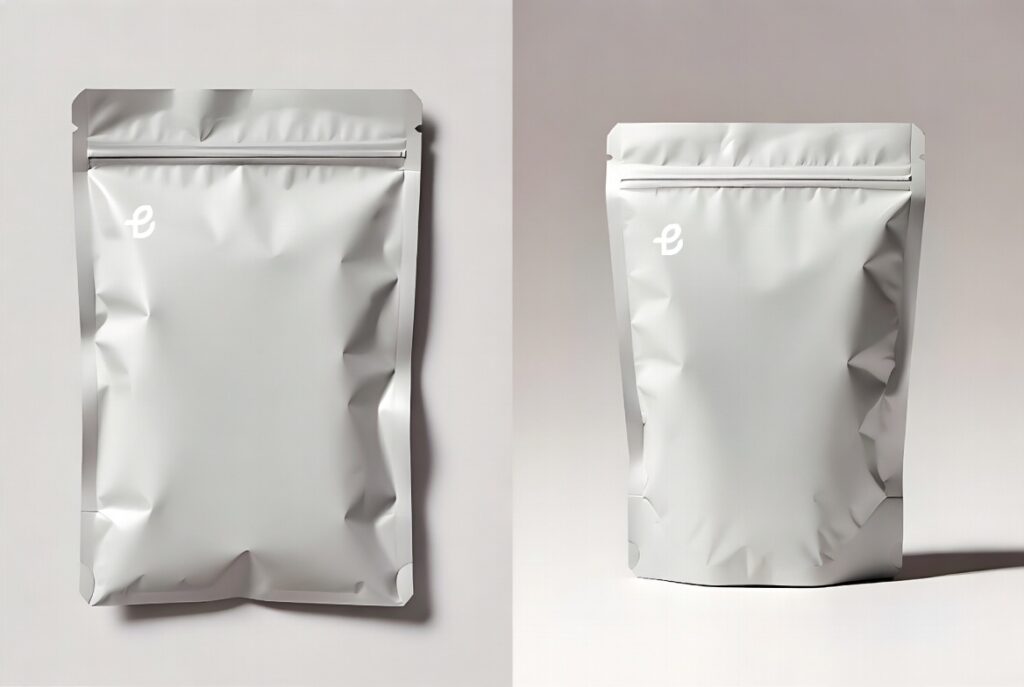
The Mono-Material Approach: Easier to Recycle
In the past, most flexible pouches were made from multiple layers (like PET, aluminum, and PE). That made them almost impossible to recycle.
In 2026, the big shift is toward mono-material designs — using mostly one type of plastic so the whole pouch can go into a single recycling stream.
- All-PE Pouches: We combine high-density and low-density polyethylene in a way that gives excellent moisture protection while staying 100% recyclable.
- Aqueous Barrier Coatings: Instead of aluminum foil, we use water-based coatings that block oxygen without messing up the recycling process.
To avoid extra fees under new rules, pouches need to hit at least 95% of one material type for the best recyclability rating.
Compostable Pouches: The Regenerative Option
For food, coffee, tea, or protein powders that have organic bits inside, compostable pouches are often the best choice in 2026.
We work with materials like:
- NatureFlex™ and seaweed-based films that break down safely — even in marine environments — and actually help sequester carbon.
- PHA (polyhydroxyalkanoates), a bio-polymer that microbes treat like food. It’s strong enough for stand-up pouches and great for puncture resistance.
The key difference now is knowing whether you need industrial composting or home-compostable materials, as regulations are getting stricter about these claims.
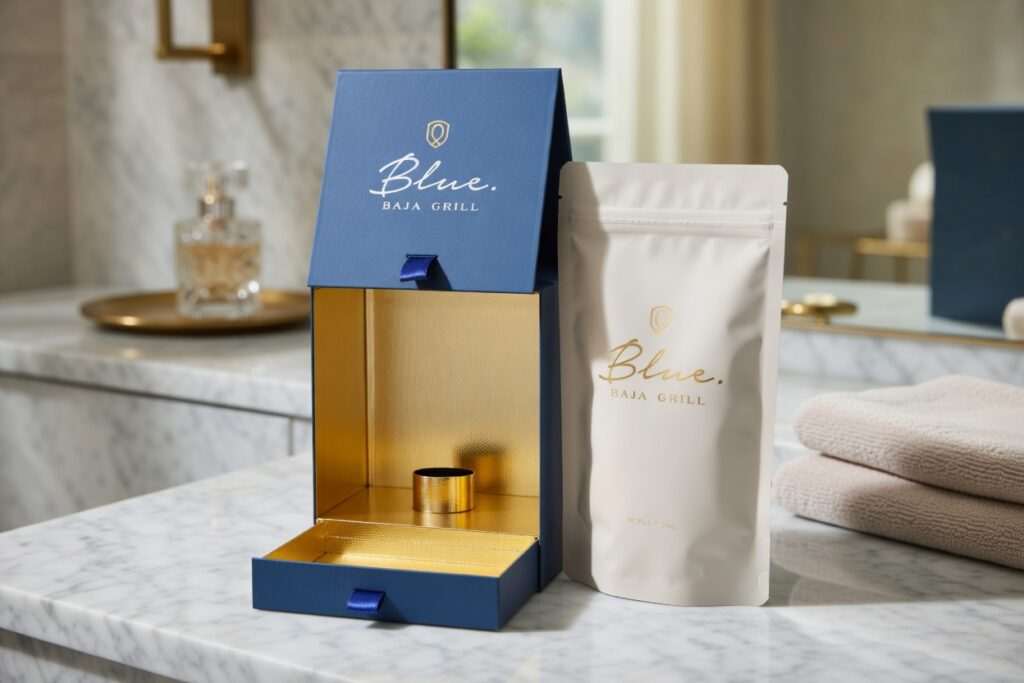
The Hybrid Model: Best of Both Worlds
One of our favorite strategies is combining flexible pouches with rigid packaging.
You keep a beautiful, durable rigid box or sewn protective sleeve as the “permanent” brand asset that customers display on their shelf or vanity. Then, for refills, you send a lightweight, low-carbon flexible pouch in the mail.
This hybrid approach can cut total packaging weight by up to 90% on every refill while still giving that premium heavyweight first impression.
It’s a smart way to stay luxurious without creating unnecessary waste.
How Sustainable Pouches Compare:
|
Performance Metric
|
Traditional Multi-Layer Pouch
|
Mono-Material Pouch
|
Compostable Pouch
|
|---|---|---|---|
|
Recyclability
|
Very low (often landfill)
|
High (Grade A/B)
|
Organic recovery
|
|
Oxygen Barrier
|
Excellent (with aluminum)
|
High (aqueous coatings)
|
Medium to high (cellulose)
|
|
Carbon Footprint
|
Baseline (1.0x)
|
0.4x
|
0.2x (bio-based)
|
|
Resealability
|
Plastic zippers
|
Mono-material PE zipper
|
Bio-polymer zipper
|
Why Making Pouches in Chicago Helps
Producing your flexible packaging at our facility on 6600 West Armitage Avenue gives you a real sustainability boost.
Flexible pouches ship flat, so you can fit thousands more in one truck compared to rigid containers. That means much lower shipping emissions. You also avoid the carbon cost of long-distance air freight from overseas, and you get faster turnaround times.
Plus, we help with PFAS-free designs and provide the data you need for proper life cycle assessments—important for avoiding greenwashing issues under 2026 rules.
Simple Checklist for Switching to Sustainable Pouches
Here’s what to focus on:
- Check if your current pouch can become a mono-material (all-PE) design.
- Decide the real barrier needs—do you require a 12-month shelf life, or can a lighter cellulose option work?
- Add QR codes that give clear disposal instructions and tell your brand story.
- Consider the hybrid model: pair a reusable rigid or sewn piece with lightweight refill pouches.
At Petra and Holum, we handle both flexible pouches and rigid boxes under one roof, along with our contract sewing capabilities. This lets us create seamless hybrid solutions tailored to your brand.
If you’re ready to upgrade to high-performance sustainable flexible packaging that meets 2026 standards and still feels luxurious, we’d love to help.
Let’s design pouches and hybrid systems that work better for your products, your customers, and the planet.