

Finding the right packaging supplier is one of the most important decisions you’ll make for your brand. It affects everything from product protection and unboxing experience to shipping costs, compliance, and long-term profitability. Whether you’re a startup or a larger team, choosing a reliable packaging supplier ensures your brand supports scalability and meets today’s circular standards.
Whether you’re a startup placing your first order or part of a larger team handling procurement, here are six essential qualities you should demand from any packaging supplier. These traits help ensure your packaging supports scalability, meets today’s standards, and contributes to a more circular approach.
1. Hybrid Manufacturing Capabilities
Many suppliers only handle one type of packaging — either boxes or bags. The best partners act as true hybrid manufacturers.
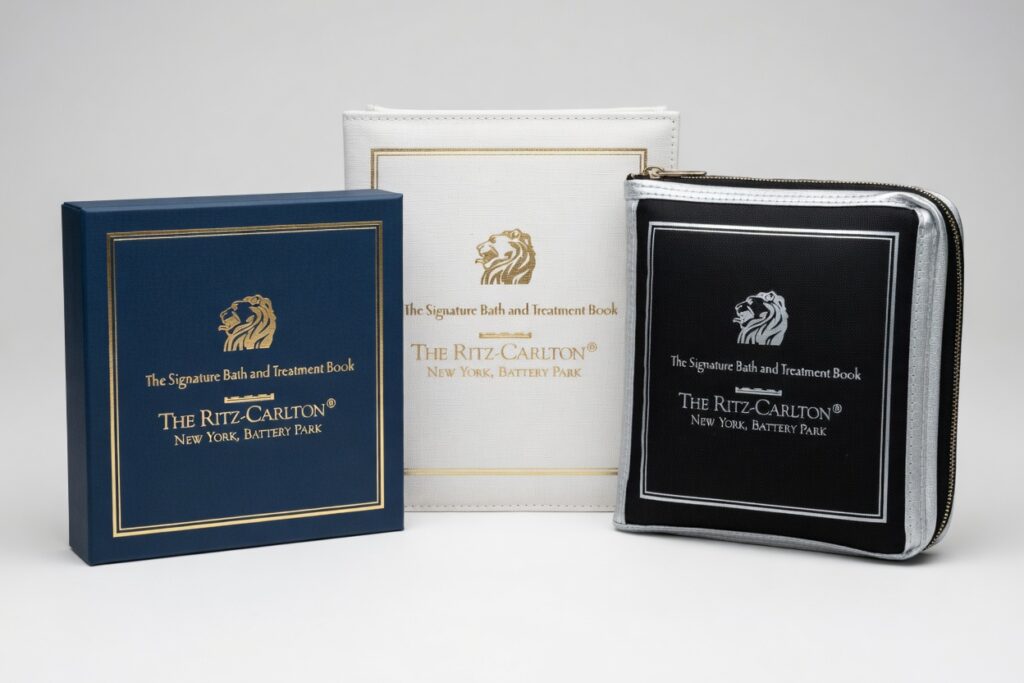
Look for a supplier that can produce rigid boxes, contract sewn products, protective covers, and flexible elements all under one roof.
This matters because when your product needs both a custom rigid box and a perfectly fitted sewn pouch, working with a single partner eliminates mismatches in colors, sizes, and tolerances. You also save on double shipping and get a more consistent unboxing experience.
2. Strong Regulatory Compliance Support
Today’s rules around recyclability, extended producer responsibility (EPR), and material restrictions are complex. A good supplier doesn’t just make products — they help you stay compliant.
They should be able to:
- Verify recyclability grades for your designs
- Provide PFAS-free coatings and adhesives (aqueous or bio-based)
- Suggest right-sizing adjustments to avoid issues with empty-space limits
3. Advanced Prototyping and Engineering Expertise
Speed matters. You need a supplier with strong in-house engineering who can move quickly from idea to physical sample.
Look for partners who:
- Create structural designs based on your product’s size, weight, and fragility
- Understand material performance (like different adhesives or bio-polymers)
- Deliver unprinted white samples within days for real fit testing
Good engineering helps you avoid costly mistakes before full production begins.
4. Domestic Manufacturing and Supply Chain Strength
Overseas production can seem cheaper at first, but hidden logistics costs, long lead times, and carbon impact often add up.
A supplier with a strong domestic facility — like one based in a logistics hub such as Chicago — offers clear advantages:
- Lower shipping emissions
- Faster fixes if issues arise
- Ability to run smaller, more frequent production batches without tying up capital in large inventory

5. Focus on Second-Life Durability
The most sustainable packaging is often the one customers keep and reuse for years instead of throwing away.
Seek suppliers skilled in turned-edge construction and durable finishes. A well-made custom sales kit or luxury gift box with reinforced details and premium wraps can become a permanent brand asset — used for storing jewelry, cables, or office items long after the original product is gone.
This approach creates ongoing brand exposure while reducing waste.
6. Transparency and Digital Readiness
Modern consumers want to know where materials come from and how to dispose of packaging properly.
A forward-thinking supplier should help you with:
- High-resolution QR codes that link to product passports or disposal instructions
- Clear chain-of-custody documentation for materials (FSC-certified papers, post-consumer recycled content)
- Standardized recycling or composting labels
This builds trust and makes end-of-life handling easy for your customers.
Questions to Ask Your Potential Packaging Supplier
When comparing partners, go beyond price. Ask these practical questions:
- Can you produce both rigid structures and sewn textiles in the same facility?
- How do you help designs meet current recyclability and empty-space requirements?
- Are your coatings and adhesives certified PFAS-free and water-based?
- How do you minimize manufacturing waste to support lower EPR fees?
At Petra and Holum, we have built our 91-year legacy as a premier packaging supplier around these six qualities. Our Chicago facility combines rigid box making, contract sewing, and protective covers so we can deliver cohesive, high-quality solutions.
We don’t just supply packaging — we help engineer the physical touchpoints that strengthen your brand.
Ready to find a manufacturing partner that checks all the right boxes?
We’d be happy to discuss your project and show you samples.